

Home Battery Storage Explained: Is It Worth It in the UK? (2025 Guide)
Introduction: Why Energy Storage Is Gaining Popularity
In 2025, the way we consume and manage electricity is evolving. As UK households increasingly adopt solar PV systems and energy tariffs fluctuate, more homeowners are exploring home battery storage as a way to take control of their energy usage. But how exactly does it work – and is it worth the investment?
This guide breaks down everything you need to know about home energy storage systems in the UK, including how they operate, when they make sense, and what to consider before installing one.
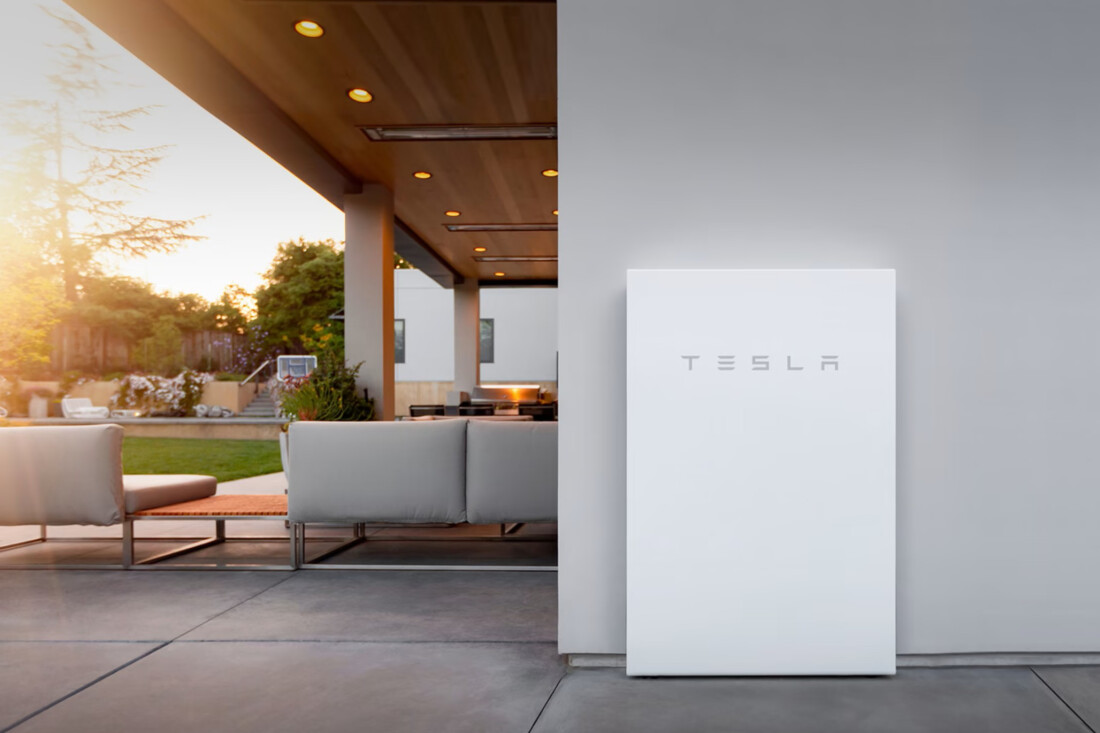
What Is a Home Battery Storage System?
A home battery storage system allows you to store electricity for later use. This electricity can come from your solar PV system (if you have one) or even directly from the grid, particularly during off-peak hours when prices are lower.
The stored energy can then be used when your home needs it most – typically during the evening or at night, when solar production stops but demand remains high.
How Does Home Battery Storage Work in the UK?
Here’s how a typical battery storage system works in a UK home:
- Daytime: Your solar panels generate electricity. The energy powers your home first.
- Excess Energy: Any unused electricity is diverted to the battery instead of being exported to the grid.
- Evening/Night: When the sun sets or your solar generation drops, the battery discharges and suppliesenergy to your home.
- Fallback: If the battery is depleted, your system automatically switches to the national grid.
This process happens seamlessly in the background and can significantly reduce your reliance on expensive peak-time electricity.
Key Components of a Battery System
A standard UK home battery setup typically includes:
- The Battery Unit – Usually lithium-ion, sized based on your daily usage.
- Hybrid or AC-coupled Inverter – Manages energy flow between the solar panels, battery, and the grid.
- Battery Management System (BMS) – Optimises charging/discharging and ensures system safety.
- Monitoring App or Platform – Allows you to track your energy usage and battery status in real-time.
Most systems are wall-mounted, compact, and designed for residential use – both indoors or in weatherproof outdoor enclosures.
Do You Need Solar Panels to Use a Battery?
Not necessarily.
While most battery systems are paired with solar PV installations, some UK homeowners install batteries as standalone energy storage systems. In this case, the battery charges from the grid during off-peak hours and discharges during expensive peak times, helping reduce energy bills.
That said, the economic and environmental benefits are usually greater when the battery is integrated with a solar PV system.
How Much Energy Can a Battery Store?
Battery capacity is measured in kilowatt-hours (kWh). Common sizes for UK homes range from 5 kWh to 15 kWh, depending on your household size and energy usage patterns.
For example:
- A 5 kWh battery might cover evening lighting and electronics for a small home.
- A 10+ kWh system could support heating, cooking, and appliances for a medium or large household.
Keep in mind that usable capacity may differ slightly due to energy losses and safety buffers built into the system.
Grid Charging vs. Solar Charging: What’s the Difference?
- Solar Charging means the battery is filled using excess solar energy produced during the day.
- Grid Charging involves buying electricity from your supplier (usually at a lower tariff) and storing it for lateruse.
Some systems combine both methods for maximum flexibility. This is particularly useful if your energy provider offers Time-of-Use (ToU) tariffs, allowing you to charge the battery when prices are lowest.
Common Myths About Solar Batteries
“Batteries don’t work in winter.”
False. Even with reduced solar output, a battery can still store energy – especially if charged via the grid.
“They’re too expensive to ever pay off.”
Not always true. While the initial investment is notable, rising energy costs and better battery technology mean faster payback times in many cases.
“They require constant maintenance.”
Most modern battery systems are low-maintenance, with remote monitoring and automatic updates.
Is Home Battery Storage Worth It in 2025?
The answer depends on several factors, including your:
- Energy consumption habits
- Existing or planned solar setup
- Access to smart tariffs (like Octopus Go, Agile, etc.)
- Goals – whether economic, environmental, or energy independence
For many UK households, battery storage is no longer just a futuristic add-on – it’s becoming a practical, strategic upgrade to their home energy systems.
Final Thoughts
As electricity prices remain unpredictable and sustainability becomes a national priority, home battery storage in the UK is gaining real momentum. Whether you’re looking to increase self-sufficiency, reduce energy bills, or simply future-proof your home, a battery storage system may be the missing piece in your energy strategy.
In 2025, it’s no longer just about generating your own power – it’s about being able to control when and how you use it.

Comments are closed